
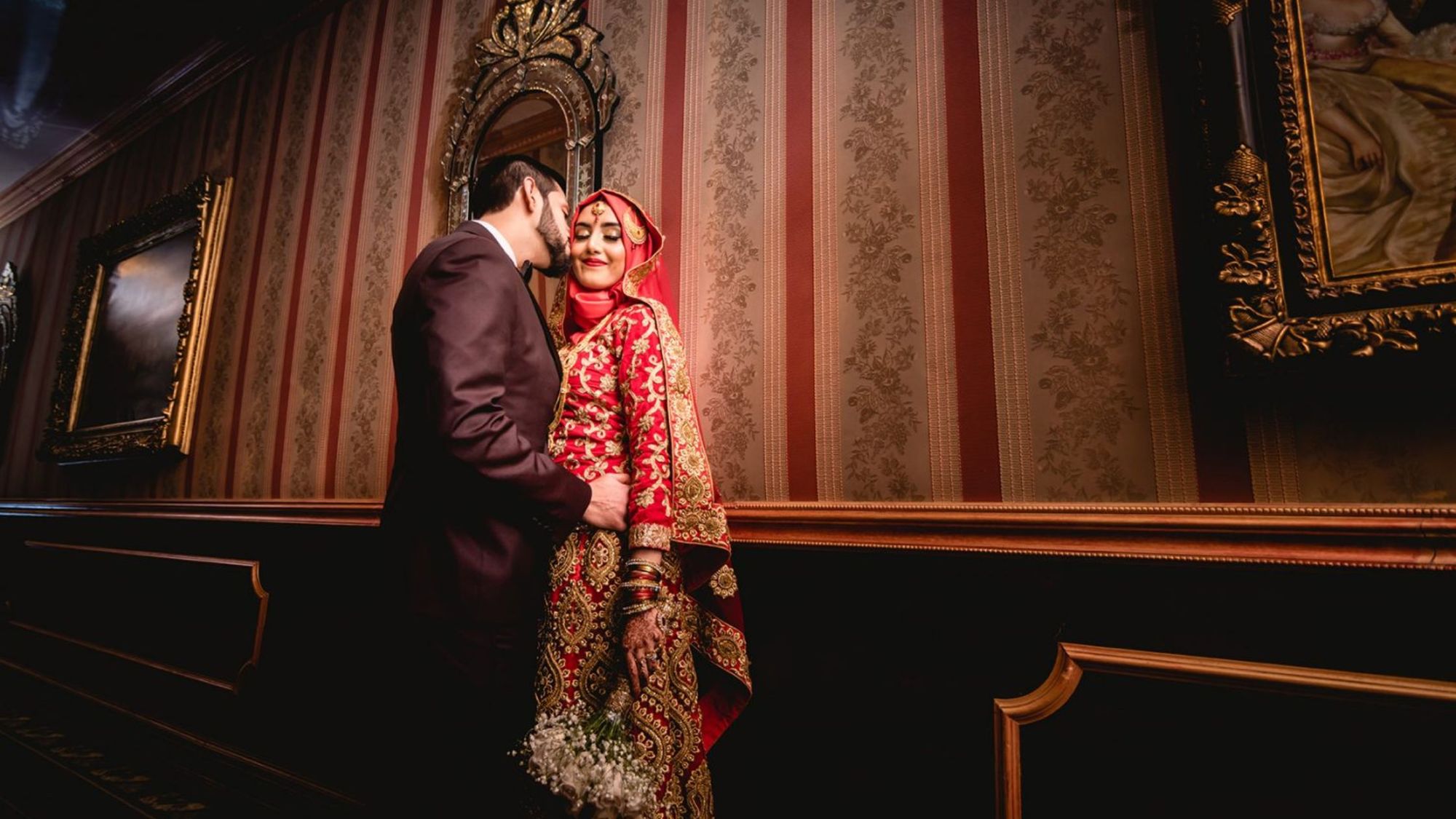
A red silk veil lifts to reveal gold jewelry catching the light of the sacred fire. These specific details carry the weight of centuries and require a lens that recognizes their importance without being told. Finding the right professionals involves reviewing portfolios for specific ritual milestones, such as the exchange of garlands or the arrival of the groom on horseback. True expertise shows when a creator anticipates the movement of the priest or the timing of the henna reveal. Most couples find success by interviewing candidates about their familiarity with specific regional customs and religious sequences. Choosing South Asian wedding photographers who have a documented history of capturing multi-day events ensures no sacred moment disappears into the background noise of the party.
Look for Ritual Recognition
Visual proof sits at the heart of a good search. A photographer might have beautiful portraits of couples in a park. However, they must show they can handle the fast pace of a Vidai or the intricate details of a Mangalsutra ceremony. Look closely at how they frame the fire during the Pheras. The smoke and light create a difficult environment for most cameras.
Experienced professionals know where to stand during the Nikah to capture the signing of documents. They remain quiet and respectful during prayers. They do not block the view of the family during the most intimate religious acts. Seeing these moments in a gallery proves the photographer knows the flow of the day.
Study the Color Palette
South Asian celebrations burst with vibrant reds, deep oranges, and bright magentas. Poor editing can make these colors look muddy or overly neon. High-quality NJ South Asian wedding photography displays skin tones that look natural despite the heavy saturation of the clothing.
Check if the gold embroidery on the outfits looks crisp. Shadows should not hide the intricate patterns of the mendhi. A skilled editor balances the bright stage lights with the natural tones of the skin. If every photo looks like it has a heavy brown or gray filter, the cultural vibrancy might be lost.
Essential Qualities to Verify
Specific traits separate a standard photographer from a cultural expert. Use these markers to evaluate your options:
- Stamina for Multi-Day Events: Ensure the team can maintain high energy from the Sangeet through the reception.
- Large Family Coordination: A professional must manage groups of fifty or more people for formal portraits with ease.
- Low-Light Mastery: Many rituals happen indoors or under tents where lighting remains unpredictable.
- Focus on Elders: Cultural celebrations prioritize the presence of grandparents and parents.
- Rapid Reflexes: Small gestures like a mother’s tear during a blessing happen in a split second.
Communication and Cultural Nuance
Ask the photographer about their past experience with your specific community. A Punjabi wedding has a different energy and sequence than a South Indian ceremony. Knowing the difference between a Haldi and a Pithi matters for timing the shots.
Language barriers can sometimes exist with older guests. A photographer who moves through the crowd with a smile and respectful nods gains better access. They become a guest with a camera rather than an intruder. This comfort level leads to more authentic smiles and less stiff posing.
Managing the Chaos of the Baraat
The groom's entrance usually involves loud music, dancing, and high motion. Cameras must keep up with the spinning and jumping while avoiding the crowd. Professionals use multiple angles to catch the groom on the horse and the family's reaction simultaneously.
Dust, smoke, and confetti often fill the air during these outdoor processions. Only a seasoned pro knows how to protect their gear while getting the shot. They stay ahead of the parade to catch the meeting of the two families at the entrance.
The Importance of the Details
Small items carry deep meaning in these ceremonies. The coconut, the rice, the flower petals, and the rings all tell a story. A photographer needs to capture these objects with the same care they give to the couple.
Jewelry often gets passed down through generations. These pieces represent family history. Close-up shots of the nose ring or the heavy necklaces preserve those memories for the future. Make sure the portfolio includes these still-life images.
Lighting the Stage
Reception stages often feature complex LED setups or heavy floral backdrops. These elements can create strange shadows on faces. Experienced teams bring their own lighting kits to fill in those shadows.
They understand that the stage is the center of the event. Every guest wants a photo with the couple. The photographer must balance these formal shots with candid moments of people eating and laughing. This balance provides a full picture of the celebration.
Post-Production and Delivery
Editing thousands of photos from a three-day event takes significant time. Ask about the timeline for seeing the first few images. Most high-end studios provide a small selection quickly so you can share it with family.
The final album should feel like a book that reads from start to finish. It needs to follow the chronological order of the rituals. Consistency in the look of the photos across different days creates a polished feeling. This consistency proves the team handled the entire project with care.
Verifying Technical Reliability
Equipment failure can ruin a wedding day. Professionals carry backup cameras and multiple lenses. They record photos onto two memory cards at the same time. These technical habits protect your memories from digital errors.
Ask how they store the files after the wedding ends. Secure cloud storage and physical hard drives should both be part of the plan. You want to know your photos are safe before they ever reach your inbox.
Conclusion
Capturing the essence of these vibrant celebrations requires a deep familiarity with every ritual and rhythmic shift. Dhoom Studio Photo and Video brings years of experience to every event, ensuring that the heavy silk of a sari and the sparkle of a kalira are documented perfectly. This team operates as a premier choice for NJ South Asian wedding photography, blending technical precision with a relaxed, observant style. Their presence allows families to focus on the joy of the union while the cameras catch every sacred exchange. Dhoom Studio Photo and Video stands as a leading name for South Asian wedding photographers who respect the heritage behind the lens. Couples receive a curated collection of images that honor their roots and tell a modern story of love.